Multiple pipe fitting production lines provide timely supply for you, with convenient customization of specifications



PE pipe connection method:
The service life of PE pipes underground exceeds 20 years, with significant economic benefits, impact resistance, wear resistance, and significant dual resistance effect. They are widely used, and the welding methods and heating temperatures used for different products are different, and their connection methods are also different.
1、 Steel plastic transition joint connection
Use steel plastic transition joints prefabricated by cold pressing or other methods to connect polyethylene pipes and metal pipes. There are anti pull locking rings and sealing rings inside the steel plastic transition joint. Generally, its sealing performance, anti pull and pressure resistance are greater than those of polyethylene pipes in the system.
2、 Socket flexible connection
Insert one end of the PE pipe directly into the specially designed socket of the pipe or fitting, and use the locking ring inside the socket to press and seal the anti pull and rubber sealing rings to achieve a tight connection between the pipe and fitting.
3、 Hot melt connection
Use a specialized heating tool to heat the parts of the pipe and fittings to be connected under strong pressure. After melting, remove the heating tool and apply pressure to connect the two contact surfaces together. Keep it for a period of time until the joint cools down.
4、 Flange connection
Flange connection is mainly used for connecting PE pipes with metal pipelines or auxiliary equipment such as valves, flow meters, pressure gauges, etc. It mainly consists of polyethylene flange connectors, steel or aluminum back pressure sleeve flanges, steel or aluminum flange plates, gaskets or sealing rings, bolts, nuts, etc. By tightening the bolts and nuts, the flange connectors are in close contact with the flange plates to achieve the connection purpose.
5、 Electric fusion connection
Use a specialized electric melting pipe with embedded resistance wire to apply electricity to the connection parts of two connecting pipes, heat them with resistance wire to melt them into one, and cool the joint.
Attention: Before connecting PE pipes, the pipes, fittings, and ancillary equipment should be checked according to the design requirements, and a visual inspection should be conducted at the construction site. Only those that meet the requirements can be used.
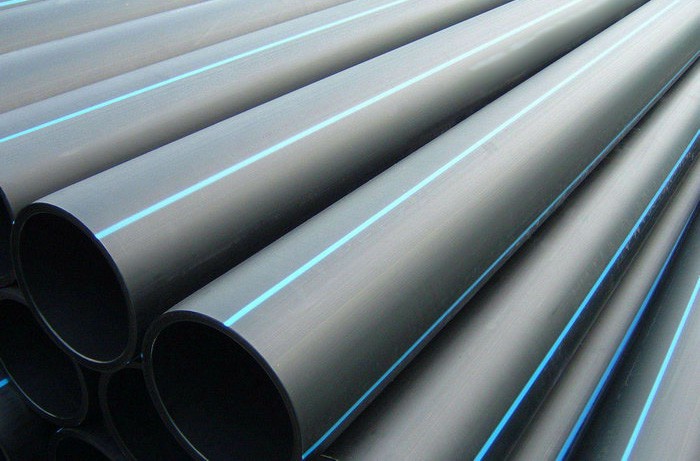
pe管安装要求:
1、施工前,对管材、管件等做一次外观检查,发现有问题的均不能使用;
2、由于其高密度聚乙烯(HDPE)管管身重量轻,在安装过程中人工即可搬动,一般不需要动用机械,因而在将其放入沟槽时,不得与沟壁和沟底激烈碰撞;
3、安装法兰接口的阀门和管件时,应采取防止造成外加拉应力的措施,口径大于100mm阀门下,应设砖支墩;
4、在高密度聚乙烯(HDPE)管穿越铁路、公路等障碍时,应设套管,以起到保护管材作用;
5、管道安装和敷设工程中断时,应用木塞或其它盖堵将管口封闭,防止杂物进入管道;
6、在熔接管件时,应把被熔接管材尺寸相配套的加热头装配到焊接机器上,连接电源,等待加热头达到温度260℃,同时将管材、管件插入熔接器内,按规定时间进行加热,加热完毕后,取出管材与管件,立即连接,在管材与管件连接配套时,如果两者位置不对,可以在一定时间内做少量调整,但扭转角度不宜超过5度。
pe管连接规定
pe管连接规定如下:
1、pe管道连接前,应对管材和管件及附属设备按设计要求进行核对,并应在施工现场进行外观检查,符合要求方可使用。主要检查项目包括耐压等级、外表面质量、配合质量、材质的一致性等。
2、 应根据不同的接口形式采用相应的专用加热工具,不得使用明火加热管材和管件。
3、采用熔接方式相连的管道,宜使用同种牌号材质的管材和管件,对于性能相似的先经过试验,合格后方可进行。
4、pe管材和pe管件应在施工现场放置一定的时间后再连接,以使管材和管件温度一致
5、在寒冷气候(--5度以下)和大风环境条件下进行连接时,应采取保护措施或调整连接工艺。
6、管道连接时管端应洁净,每次收工时管口应临时封堵,防止杂物进入管内。
7、pe管道连接后应进行外观检查,不合格者马上返工。